The Passion of Jesus

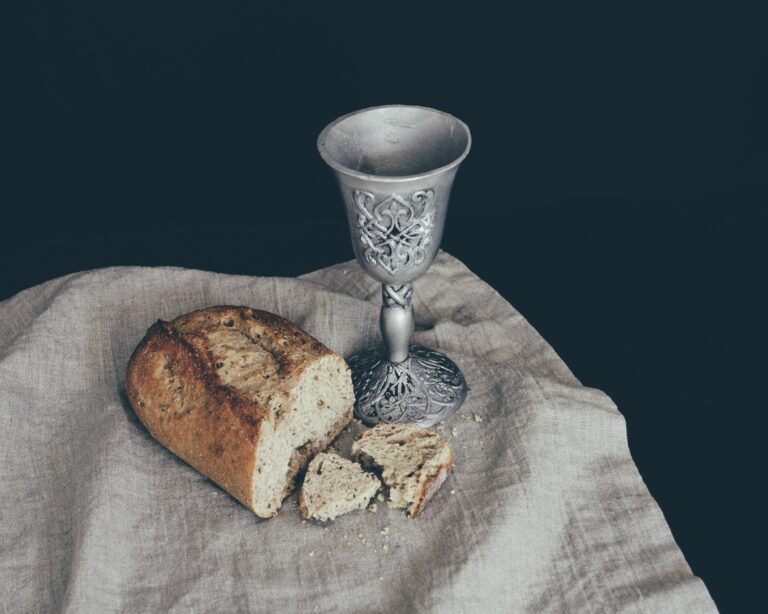
Everything about the Easter celebration is intense! By the time Easter Sunday comes around, we’ve had the full-on dramas of the chaotic cheering crowds of Palm Sunday – waving those palm branches and the cloaks and coats thrown onto the street as Jesus rides on a donkey; then there are the tender intimacies of the last supper with the really big teachings on service (in demonstration mode washing his disciples’ feet) and the call to share life in loving kindness to each and every one (the simple sharing of bread and wine around a table).
In the garden we then have the arrest following the ‘Judas kiss’ and the binding of Jesus as he is taken away to be spat on, insulted and beaten. The crucifixion on Good Friday is bare and brutal – he is dead on a tree. This is intense. There is no ‘going through the motions’ here – the loss is complete and total.
And then Easter Sunday holds the dramatic turnaround of the resurrection… in all its shock and bewilderment. The dead Jesus – who has been buried for three days – is alive. Everything changes!
But why did everything have to be so deeply traumatic in the passion narrative? Couldn’t Jesus have been given a gentler ride: couldn’t Jesus be a chief priest or a political leader? Why not?
Well, it had to be like this – because the path Jesus walked is precisely the pathway which most fully unleashes the power required to bring new life. If we wish to encounter the transformative energy of the resurrection today, then the precise pathway of Jesus is ‘the way’. In the ministry of `Jesus we see Jesus not holding on to any sense of influence and standing (and these were at the heart of the temptations Jesus faced in the wilderness). At every turn, he refuses to lean into the need for approval or ‘a pat on the back’ from those in authority. This is why we see him retreating into the hills on regular occasions to be on his own.
The passion of Jesus as described in his arrest, condemnation and crucifixion all provide us with a demonstration of a way of life in which resurrection can be held. When a person allows his defined self to be lost, when the person does not permit approval, achievements (or mistakes) and material possessions to identify who he/she is, then the capacity to hold this mighty power of transformation is enlarged. These people can move beyond their own insular egoic agendas – manipulating life to their own requirements (often with profoundly damaging stress and anxiety) – and discover a bigger operating system which includes everything and everyone.
This is the human task for everybody – and it’s the unremitting focus of Jesus in all his teachings and miracles – this courage to move beyond mere survival mode to a joy-filled and generous full personhood. As this happens to us, we directly encounter ‘resurrection’ and new life is worked in and through us daily.
It is the remarkable privilege and responsibility of the church worldwide to bear witness to this truth. What a tragedy it is that for centuries the church has been reduced to a business model – yearning for consumers rather than disciples, profit margins rather than personal and corporate authenticity – and so have completely missed the story of the resurrection. And it is this resurrection individuals need, and organisations are void of… will there be faith found on earth, and will the ‘one thing necessary’ be taught and signposted so the world and all its inhabitants, both present and future, can truly live?